There are films you admire. And then there are films that see you. Persepolis was both for me.
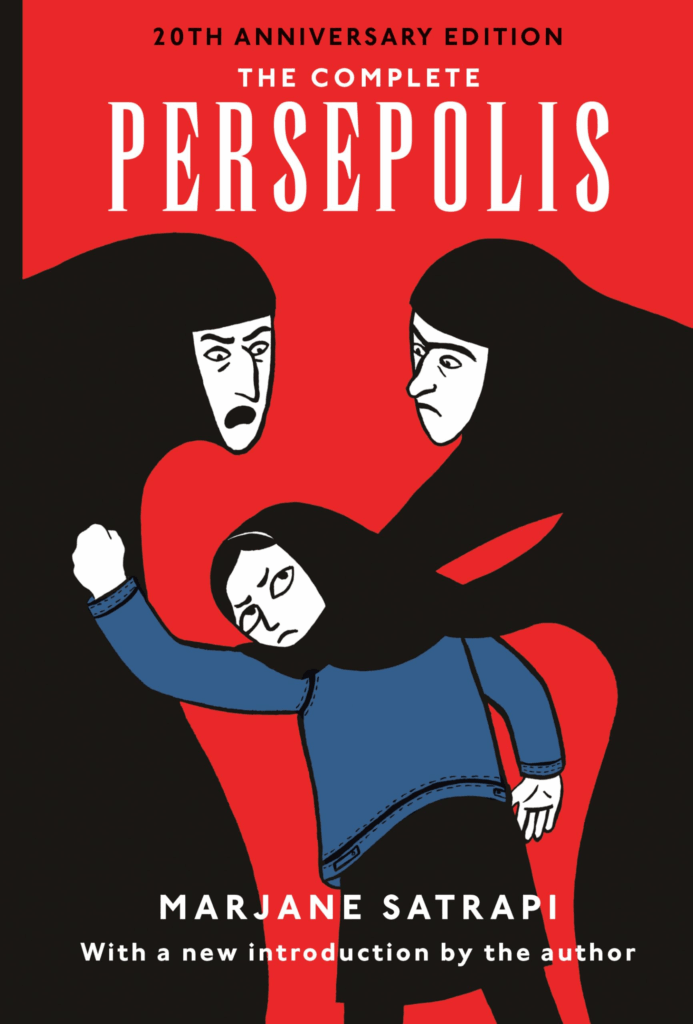
Directed by Marjane Satrapi and based on her own graphic novel, Persepolis tells the story of a girl growing up in Iran during the Islamic Revolution. It’s animated entirely in black and white, but somehow it’s more vivid than most live-action films I’ve seen. It’s political, it’s personal, it’s funny, it’s devastating, and it hit me in the gut in a way I wasn’t ready for.
Because even though I didn’t grow up in a war zone, I saw myself in Marjane. And that surprised me.
Home, Before and After
Watching this film as an Arab girl who grew up in an Arab country but now lives in France… it cracked something open in me. That feeling of being caught between worlds, of watching the country you love change before your eyes, of carrying your identity like a fragile box through customs and airports and judgmental glances; that’s real. Even if our stories are different, the feeling is the same.
Marjane’s relationship with her homeland, her family, her beliefs; it felt familiar in the deepest way. The weight of growing up in a politically conscious household, of hearing adult conversations about injustice, power, freedom; I lived that too. Like her, I was raised by people who believed in something. Her grandfather and father were her role models. Mine were too. I grew up listening to stories, not just about history, but about resistance. About dignity. About never staying silent, even when silence is safer.
And Persepolis doesn’t just show that reality, it honors it.
The Girl in the Middle
One of the things I love most about Persepolis is how honest it is about contradiction. Marjane is rebellious and vulnerable. Fierce and lost. She believes in justice but wants to dance to Iron Maiden in her bedroom. She wants to be free, but also feel safe. She wants to belong, but she doesn’t want to change herself to fit in. Watching her try to navigate all of that felt like watching myself at different stages of life, except with better eyeliner and cooler boots.
When she leaves Iran and comes to Europe, her loneliness hits different. It’s the kind of loneliness you only know when you’re away from home, and not sure if you’ll ever truly feel at home again. That limbo. That ache. I’ve felt that too.
There’s a scene where she pretends not to be Iranian, just to avoid the conversation. And then later, she breaks down because denying where she comes from hurts more than the judgment ever could. That moment? I held my breath. I knew exactly what she was feeling.
Simple Animation, Massive Emotion
Don’t let the animation fool you, this film is emotionally gigantic. The black and white style strips everything down to what matters. There are no distractions. Just pure feeling. Every frame is beautiful and painful and poetic. The way the memories shift between light and shadow, the surreal moments of grief, the nightmare scenes, they stay with you.
And the storytelling is so full of heart. It doesn’t lecture. It remembers. It grieves. It laughs. It tells the truth without losing its sense of wonder.
Final Thoughts
Persepolis reminded me that your story doesn’t have to be dramatic to be meaningful. That you can carry both pride and pain in the same breath. That identity isn’t about perfection, it’s about honesty. And that even in exile, your roots follow you, not to weigh you down, but to hold you steady when everything else starts to float.
This film made me feel seen in a way I didn’t expect. It made me miss home. It made me grateful for the strong, political, brilliant people who raised me. It made me want to keep writing, keep speaking, keep remembering.
If you haven’t watched Persepolis, please do. Watch it with your heart open. Especially if you’ve ever felt caught between two countries, two cultures, or two selves. It’s not just a film. It’s a reminder that we’re not alone in those in-between spaces.
Leave a Reply