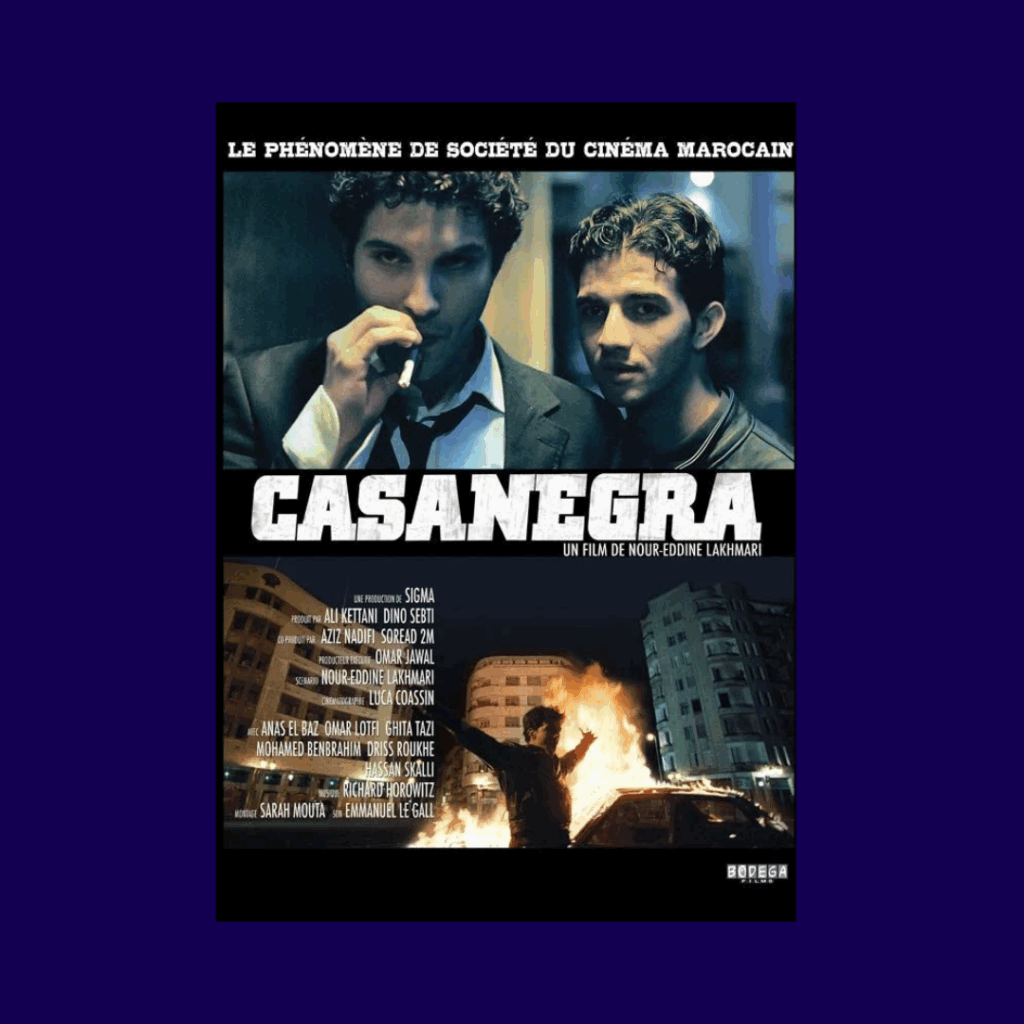
Before we dive in, if you haven’t read my full review of Casanegra yet, go check it out here first.
What the film gets right about the city I call home
Before Casanegra was a cult film, it was a feeling. The feeling of wandering through Casablanca’s chaotic streets at night, cigarette smoke curling in the air, your mind full of dreams that might never happen. The film hit me so hard the first time I saw it because it didn’t just tell a story. It captured a reality that so many of us Casaouis (Casa residents) live and watch every single day. This wasn’t a polished, touristic Casablanca. This was the raw, gritty city I knew by heart.
The Casablanca Hollywood Forgot
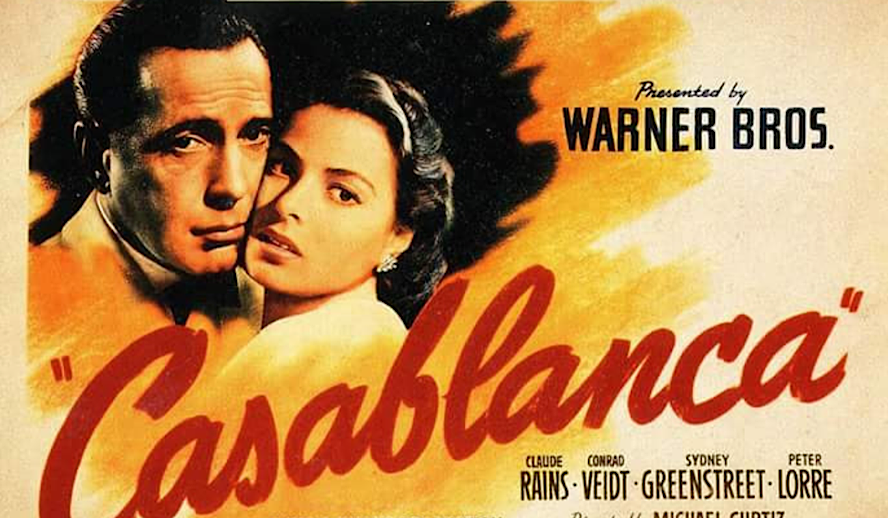
Let’s get one thing straight. The Casablanca in the 1942 film with Humphrey Bogart? That version doesn’t exist. It never did. That classic is set in a fantasy Morocco, with shadows, spies, and romantic piano music.
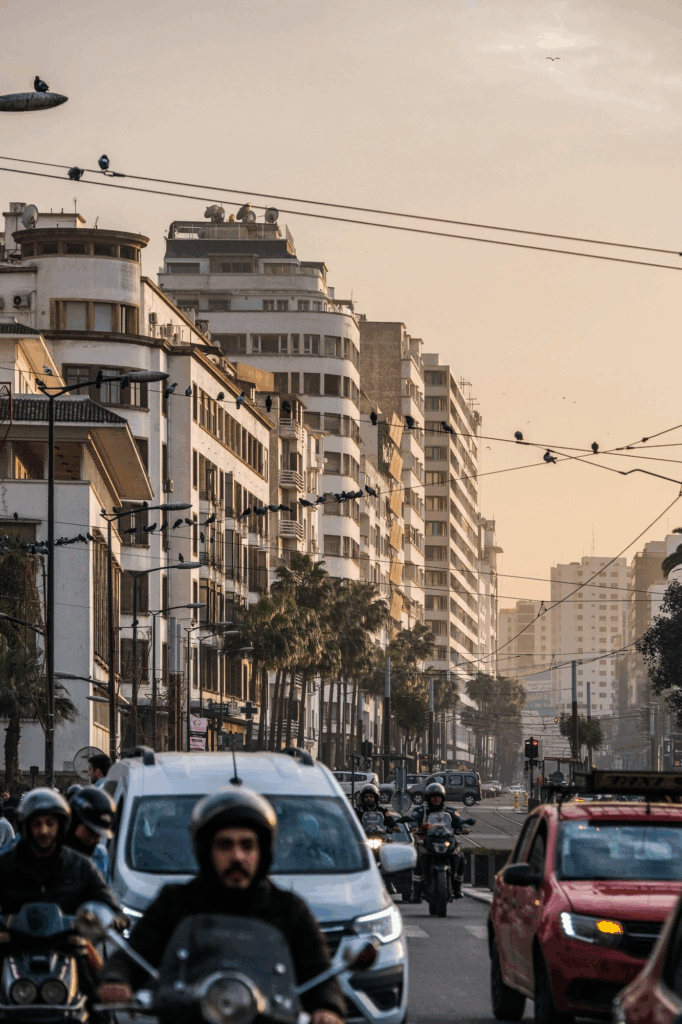
Casanegra is the complete opposite. It throws you into the real Casablanca. It smells like exhaust fumes and grilled sardines (which I totally recommend tasting during your next visit to Morocco). It sounds like street vendors yelling, honking cars, and Darija laced with curse words.
And for those of us who grew up here, it’s impossible not to feel seen.
The Language of the Streets
One of the boldest things Casanegra does is speak our language. Literally. The characters talk like real people in Casa do: quick, sarcastic, emotional. The Darija isn’t cleaned up for a foreign audience. There’s swearing, slang, that raw edge we all know. And honestly? That made me proud. It was one of the first times I heard my city’s real voice on screen without filters.
People were divided about that when the film came out. Some said it was too vulgar. Too street. But that’s the point. Casablanca is street. And there’s beauty in that chaos.
Between Anger and Tenderness
Casanegra doesn’t just show the poverty or the problems. It shows the contradictions. The way a guy can go from threatening someone in one breath to protecting his best friend in the next. The way dreams live right next to hopelessness. That duality? That’s Casablanca. That’s Morocco. We laugh while we’re struggling. We hustle while we hope.
Karim and Adil’s friendship is the emotional core of the film, but it’s also a reflection of something deeper, how people survive in a city that rarely makes things easy. There’s anger, yes. Frustration. But there’s also so much heart.
What It Feels Like to Be Seen
Watching Casanegra feels like bumping into yourself on screen. You see the buildings you’ve passed a hundred times, the corners where your friends hang out, the energy of the city that shaped you. There’s something emotional about that, especially when you’re used to your home being invisible in global cinema, and especially when you’re living abroad, away from the city where you’ve spent your entire life in.
So many Moroccan films try to romanticize or moralize. Casanegra just lets the city be what it is. And that honesty is rare. That honesty is powerful.
Leave a Reply